
What Your Cruise Fare Covers
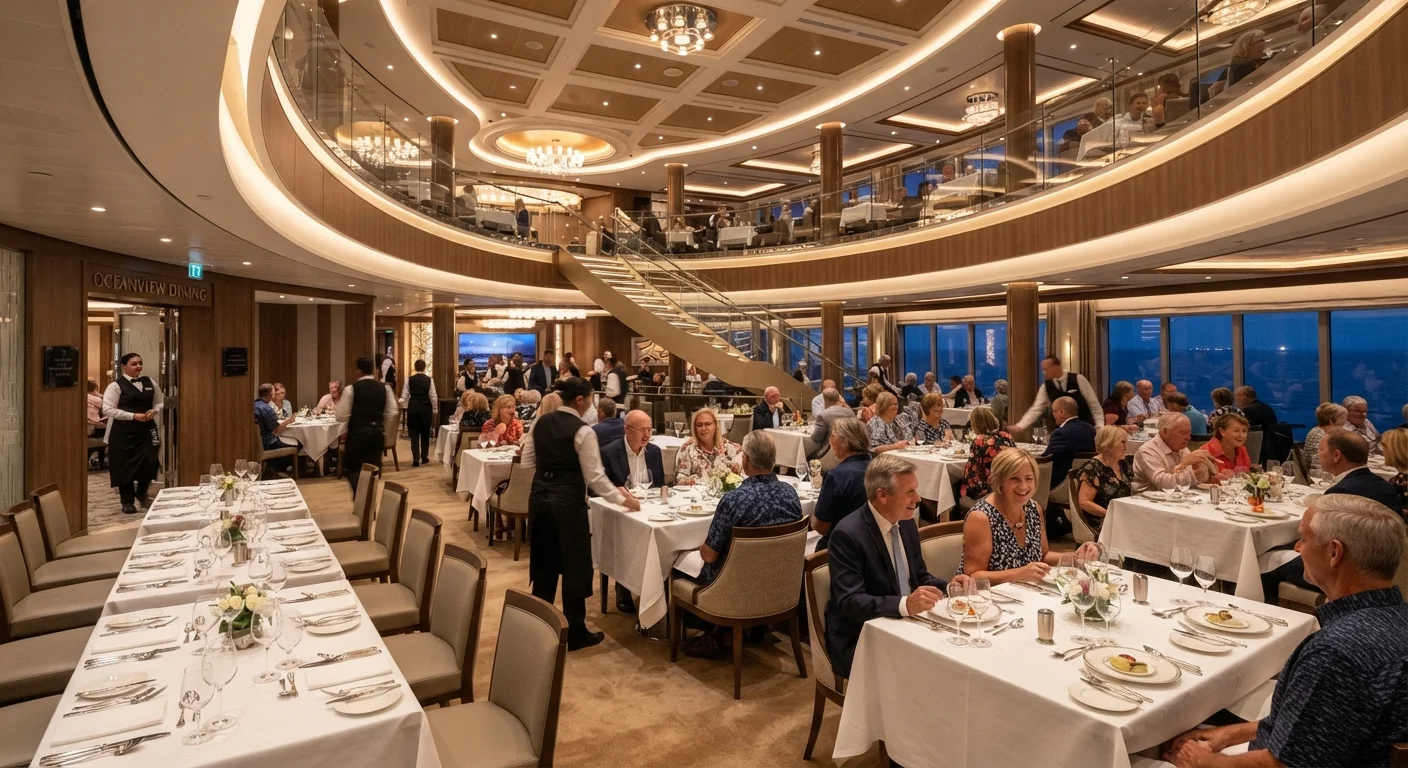
A cruise fare bundles several travel costs that you'd otherwise pay separately. Accommodation is the foundation - your cabin is included for the full duration of the voyage, whether you book an interior room or an ocean-view suite. Main dining venues are also part of the package: most cruise lines include access to the ship's main dining room and its casual buffet for breakfast, lunch, and dinner.
Onboard entertainment rounds out the core offering. Production shows, live music, trivia nights, deck parties, fitness centers, and swimming pools are typically all available without any added charge. These amenities are what make a cruise feel like more than a floating hotel - you're paying for the experience of the ship itself, not just a place to sleep.
Port taxes and government fees are part of what you owe, though they sometimes appear as a separate line item below the advertised fare rather than rolled into the headline price. Always confirm exactly what the quoted total includes before completing a booking.
$15-$25+
Typical daily gratuity per person
Most mainstream cruise lines apply an automatic daily service charge per guest; the exact amount varies by cruise line and cabin category.
$50-$150+
Typical per-person shore excursion cost
Excursion prices vary widely by destination and activity type; adventure or specialty tours can run considerably higher.
What Usually Costs Extra
Several spending categories sit outside the base fare on most cruise lines, and they can add up quickly if you're not expecting them.
- Alcoholic beverages and specialty drinks: Beer, wine, cocktails, and espresso-based coffees are almost always billed separately or sold as a prepaid package. Whether basic sodas and water are complimentary varies by line.
- Specialty dining: Dedicated steakhouses, sushi bars, or chef's tasting menus charge a per-person cover fee on top of your fare, even when the main dining room is included at no charge.
- Gratuities: Most mainstream cruise lines automatically add a daily service charge to your onboard account to cover cabin stewards, dining staff, and other crew. Some lines allow prepayment at booking, and some premium lines include gratuities in the upfront fare.
- Shore excursions: Guided tours, snorkeling trips, and cultural experiences at ports of call are priced and booked separately. Your fare gets you to the port; what you do there is your own expense.
- Wi-Fi: Internet access at sea is a paid add-on on most ships, typically charged by the day or by the voyage.
- Spa services, salon visits, and specialty fitness classes such as yoga or cycling sessions generally carry individual charges.
For a closer look at these charges and how to plan for them, see why first-time cruisers are often caught off guard by extra costs.
Comparing Fare Types Before You Book
Ask for a Full Fare Breakdown Before Booking
Before confirming any booking, request an itemized breakdown showing the base fare, port taxes, mandatory fees, and whether gratuities are included or added separately. This single step is the most reliable way to compare cruise offers accurately and avoid unexpected charges once you're on board.
Some cruise lines advertise all-inclusive fares that fold gratuities, drinks, and Wi-Fi into the upfront price. Others lead with a lower base fare and let you build your experience through add-on packages. The total cost often converges - what changes is when you pay and how transparent the pricing feels. Neither model is inherently better; the right fit depends on how you spend your time at sea and which extras matter most to you.
Before booking, ask for a full itemized breakdown: base fare, port taxes and fees, mandatory charges, and whether gratuities are included or will be added to your onboard account separately. A headline fare that looks lower upfront may carry significant charges by the end of the voyage. Understanding how each pricing model works helps you compare options accurately. For broader trip budgeting that accounts for costs beyond the ship itself, what a travel budget actually covers is a useful companion resource.