
Before You Arrive: What to Prepare
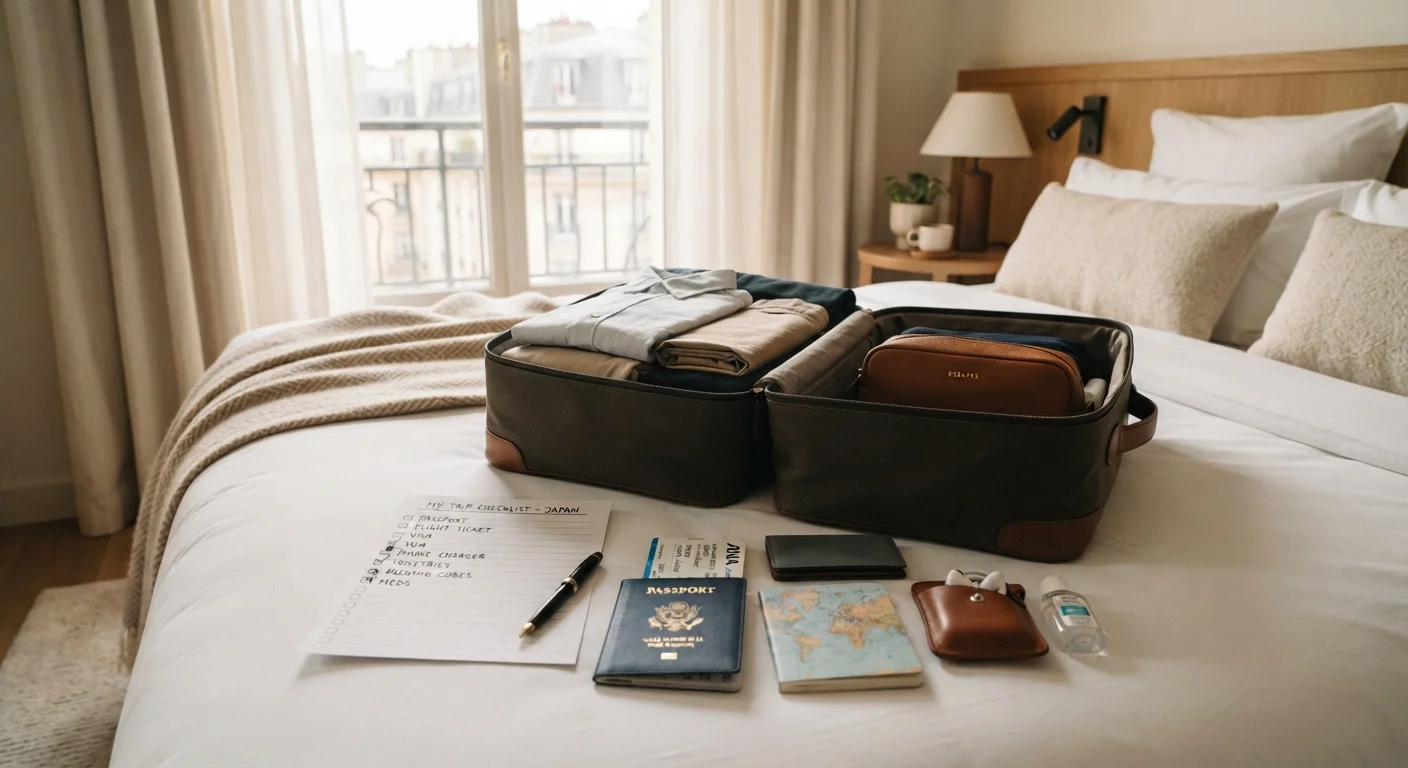
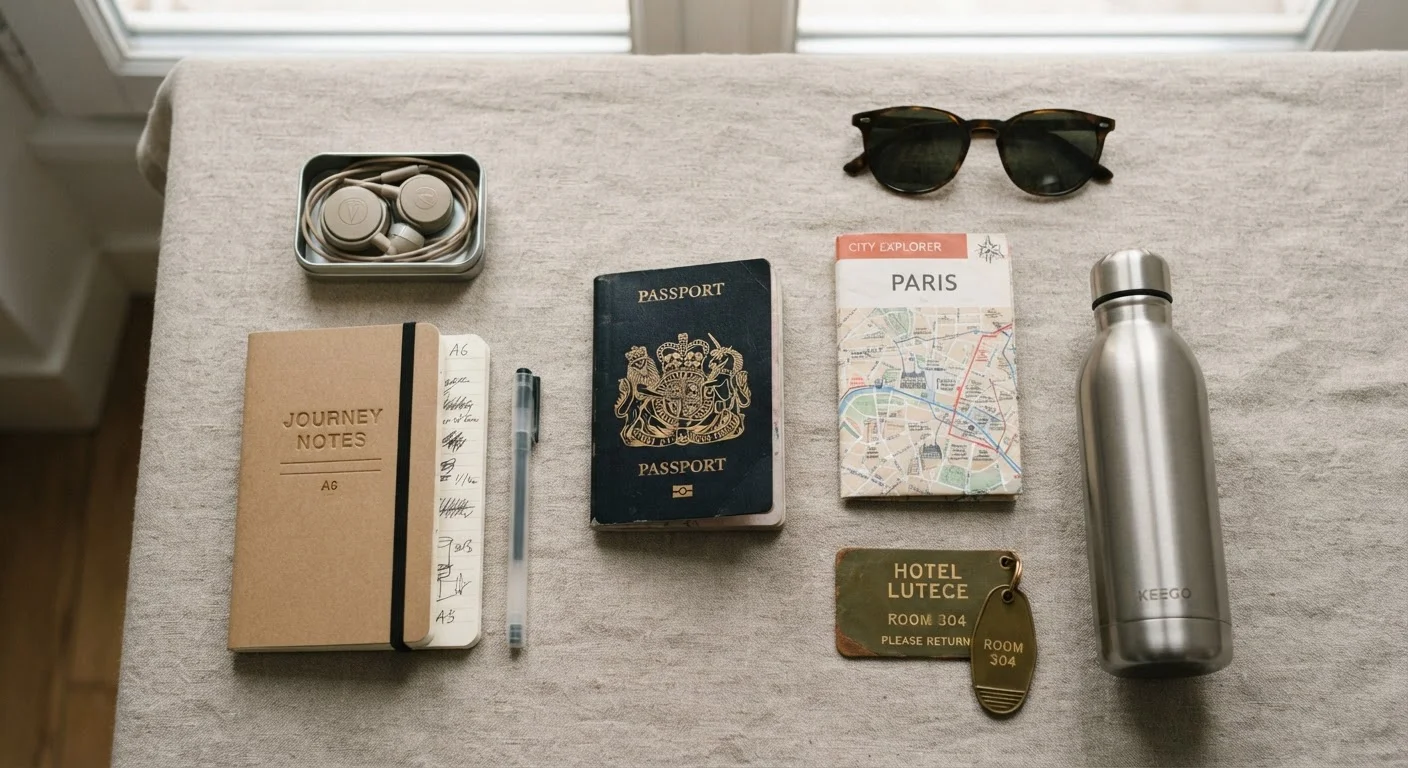
A smooth hotel stay begins before you set foot in the lobby. Once your reservation is confirmed, gather the documents you'll need: a government-issued photo ID (passport or driver's license), the credit or debit card used to book, and your booking confirmation — either printed or on your phone.
Check your confirmation email carefully. It will show your room type, the dates, the cancellation policy, and any prepaid charges. If you booked a non-refundable rate, know that changes may not be possible without a penalty. If your plans are uncertain, a flexible or refundable rate gives you more options — though it typically costs a little more upfront.
Always Confirm Late Arrivals in Advance
If you'll be arriving after 10 p.m., call the hotel ahead of time to let them know. Most hotels hold reservations until midnight or later, but a quick phone call removes any uncertainty and ensures your room is ready when you get there.
If you'll be arriving late — say, after 10 p.m. — call the hotel in advance and let them know. Most hotels hold reservations until midnight or later, but a quick call removes any doubt and signals you're still coming.
Check-In: What Actually Happens at the Front Desk
Standard hotel check-in time is typically 3 p.m., though this varies by property. When you approach the front desk, the agent will ask for your ID and the payment card on the booking. They'll confirm your room type and length of stay.
One step that surprises many first-timers: the hotel will place a temporary authorization hold on your card — often called an incidental deposit. This is not a charge; it's a reservation of funds to cover potential extras (room service, parking, or any damage). The amount varies by hotel, commonly ranging from $50 to $200 per night. The hold is released within a few business days after check-out if nothing is owed.
Once everything is confirmed, you'll receive a key card (and usually a second one — keep both together). The agent will tell you your room number and point you toward the elevators or give you a map of the property. Feel free to ask about Wi-Fi passwords, dining hours, or parking at this point.
Authorization hold
A temporary reservation of funds on your credit or debit card placed by the hotel at check-in. It's not an actual charge and is released after check-out once any extras are settled.
Resort fee
A mandatory daily charge added on top of the room rate at some hotels, intended to cover amenities like the pool, gym, or Wi-Fi. It should be disclosed during booking.
Incidental deposit
Another term for the authorization hold. It acts as a security buffer for any charges you might add during your stay, such as room service or parking.
Do-not-disturb (DND)
A sign or electronic switch that signals hotel staff — including housekeeping — not to enter your room. Useful when sleeping, working, or simply needing privacy.
Concierge
A hotel staff member dedicated to helping guests with requests beyond the room — such as restaurant bookings, local directions, or arranging transportation.
Key card
A plastic card, similar in size to a credit card, that uses a magnetic strip or chip to unlock your hotel room door. It's programmed specifically to your room and stay dates.
Before heading to your room, take a moment to review what to check when you first arrive at your accommodation — a few quick safety checks can prevent problems later.
Your Room: Amenities, Etiquette, and House Rules
Hotel rooms follow a fairly consistent layout. You'll find a climate control panel (usually on the wall or thermostat), closet space with hangers, a desk, and a TV. The minibar — a small fridge stocked with snacks and drinks — charges per item, so check the price list before helping yourself. Items that appear to be complimentary (like bottled water) are sometimes charged; when in doubt, ask the front desk.
Toiletries in the bathroom (shampoo, soap, conditioner) are provided at no extra cost and are yours to use. If you run out or need extras like an extra pillow or iron, call housekeeping or the front desk.
Watch Out for Minibar and In-Room Charges
Items in a hotel minibar are almost always charged per use — even water bottles that seem complimentary may not be. Check the price list in the room or ask the front desk before consuming anything. These small charges can add up and appear on your final bill at check-out.
Do-not-disturb (DND) signs and in-room safes are two overlooked features. Use the DND sign on your door when you're sleeping or need privacy — it signals housekeeping to skip your room. Store passports, extra cash, and valuables in the in-room safe if one is provided.
Using Hotel Services During Your Stay
Most hotels offer a range of services beyond the room itself. Common amenities include a fitness center, pool, business center, and on-site restaurant or café. These are generally available to all guests at no additional charge, though some properties bundle them into a resort fee — a daily add-on charge disclosed at booking. Review your confirmation to understand what's included.
If you need something — more towels, a late dinner, directions — the front desk is your first call. Many hotels also have a concierge who can arrange restaurant reservations, local transportation, or activity recommendations.
Room service allows you to order food directly to your room, but it typically adds a service charge and gratuity on top of menu prices. Check the in-room menu for the full cost before ordering.
If you're interested in benefits that extend across multiple stays, see our guide to hotel loyalty programmes and whether joining is worthwhile.
Check-Out: How to Leave Without Surprises
Standard check-out time is usually 11 a.m. or noon. If you need extra time, ask the front desk the evening before — late check-out is sometimes available for a fee, or free if the hotel isn't fully booked.
Before you leave, review your bill. Many hotels slide a summary under your door on your last night, or you can request a printout at the front desk. Go through each line item: room rate, taxes, any incidental charges (minibar, parking, phone calls). If something looks unfamiliar, ask immediately — it's far easier to resolve before you leave than after.
Return your key cards to the front desk when you go — most hotels program them to deactivate automatically anyway, but handing them in is the expected courtesy. Do a final sweep of the room for chargers, medications, and personal items before heading down.
Once you're checked out, the incidental hold on your card will begin the process of being released — this can take two to five business days depending on your bank.
This article is for general informational purposes only. Hotel policies, fees, and practices vary by property and location. Always confirm specific details directly with your hotel before your stay.