Why Verifying Your Transfer Matters
Stepping off a flight in an unfamiliar city, tired and carrying luggage, is exactly when travelers are most vulnerable to opportunistic or unlicensed transport operators. Unregulated drivers may quote fares verbally and inflate them on arrival, carry no insurance, or have no accountability to any authority if something goes wrong. The good news is that a handful of straightforward checks - most of which take under two minutes - give you reliable protection. This article walks you through them. For broader context on how different transfer types compare, see our comparison of taxis, shuttles, trains, and rideshares.
Core Practices for Choosing a Safe Transfer
Apply these practices consistently, whether you are booking in advance or arranging a ride on arrival.
Pre-book through an official or well-documented channel and receive written confirmation.
A written confirmation - including driver name, vehicle plate, and company contact - gives you something concrete to verify against when you arrive. It also creates a paper trail if a dispute arises. Verbal-only arrangements have no accountability mechanism.
Use only designated pickup zones inside the airport, not the general roadway or parking areas.
Licensed operators are required - and permitted - to pick up passengers only in official zones, which are monitored by airport security. Drivers who ask you to walk to a remote parking lot or side street are operating outside those regulated spaces, which is itself a warning sign.
Physically verify the driver's ID, vehicle license plate, and company markings before entering the vehicle.
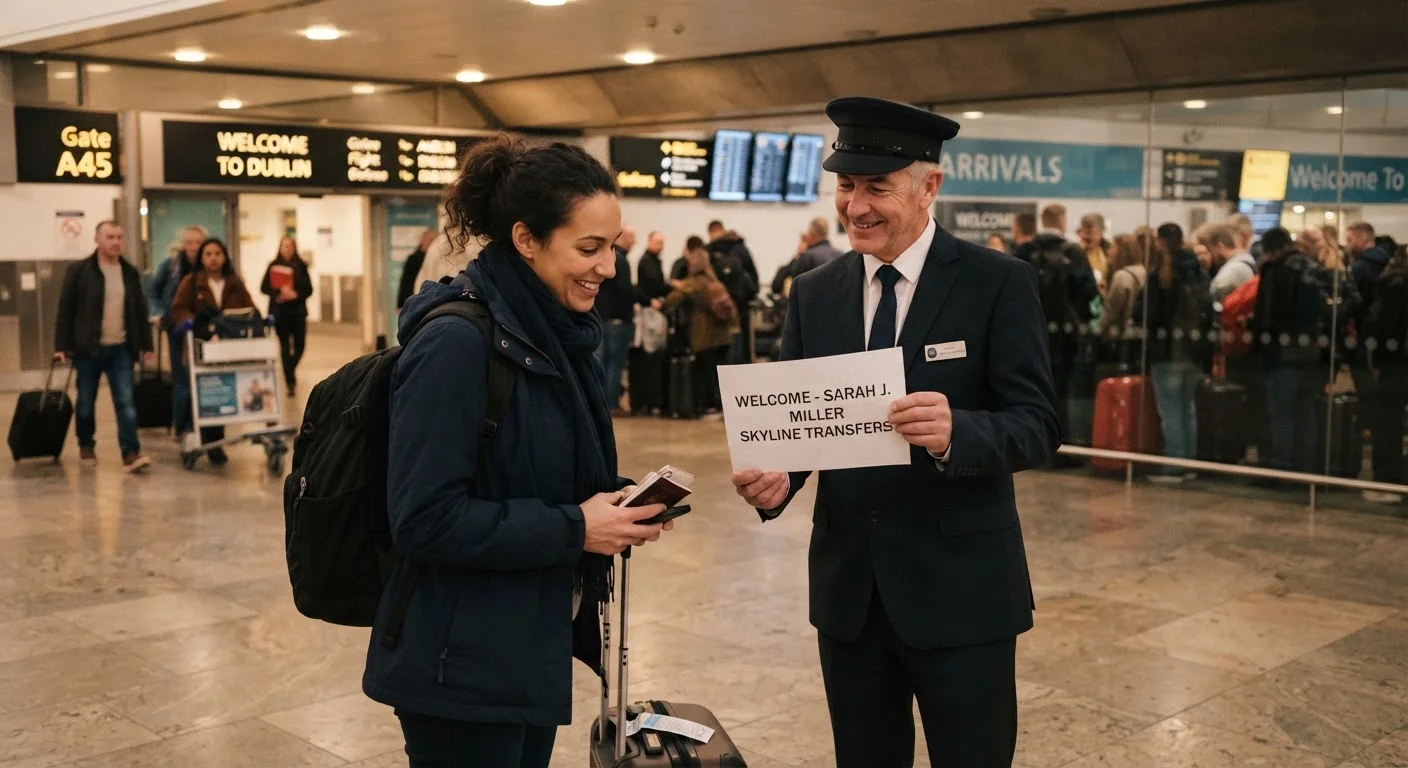
Legitimate operators will display a driver photo ID, a company logo or dispatch number on the vehicle, and a license plate that matches your confirmation. Checking these three items takes seconds and eliminates the most common impersonation tactics.
Agree on the fare structure - meter or fixed rate - in writing before the journey begins.
Fare disputes are among the most common complaints against airport transfer operators worldwide. A written or app-recorded agreement means there is no ambiguity at the destination. If a driver refuses to confirm a price upfront, treat that as a red flag.
Share your trip details - driver name, plate number, and route - with a trusted contact.
This simple step means someone outside the vehicle knows where you are and who is driving you. It takes under a minute and substantially raises your safety baseline, particularly for night arrivals or unfamiliar destinations. See our essential travel safety practices for related guidance.
Decline unsolicited offers from drivers who approach you inside the terminal.
Licensed operators do not solicit passengers inside terminal buildings - they wait in designated zones or hold a printed name sign in the arrivals hall. Anyone approaching you proactively and offering a ride is likely unlicensed and should be firmly but politely declined.
Quick Actions You Can Take Right Now
Before your trip departs, take a few minutes to set yourself up for a smooth, safe arrival.
When Something Feels Off, Trust That Instinct
If a driver becomes evasive when you ask to see their ID, refuses to confirm a fare, or asks you to follow them away from the official pickup area, you are entitled to walk away. Return to the arrivals hall, locate airport information staff, and use the official taxi or transfer queue. No urgency - real or manufactured - justifies bypassing your own safety checks. Review common airport transfer myths to understand how operators sometimes pressure travelers into hasty decisions.
What the Numbers Tell Us
Understanding how widespread transfer-related scams and safety incidents are helps calibrate how seriously to take these precautions.
~30%
Travelers who report feeling unsafe during an airport transfer
A broad traveler survey cited by transport safety advocacy groups suggests roughly three in ten passengers have experienced discomfort or a safety concern during an airport ground transfer at some point.
2-3x
Higher overcharge risk with unlicensed operators
Consumer transport watchdog reports across multiple countries consistently find that unmetered, unlicensed drivers charge two to three times the regulated fare for comparable journeys.
These figures reinforce that the risk is real but manageable. Most problems stem from skipping basic verification steps rather than from an inherent danger in using airport transfers. The Complete Guide to Airport Transfers for New Travelers covers additional layers of protection from booking through to arrival. If you are landing late, our after-hours transfer guide details which services remain reliable and how to plan ahead safely.
Transfer safety conditions, licensing requirements, and available services vary by country and city. Always verify current regulations and official transfer zones with your destination's airport authority before you travel.